What is a Heart Attack?
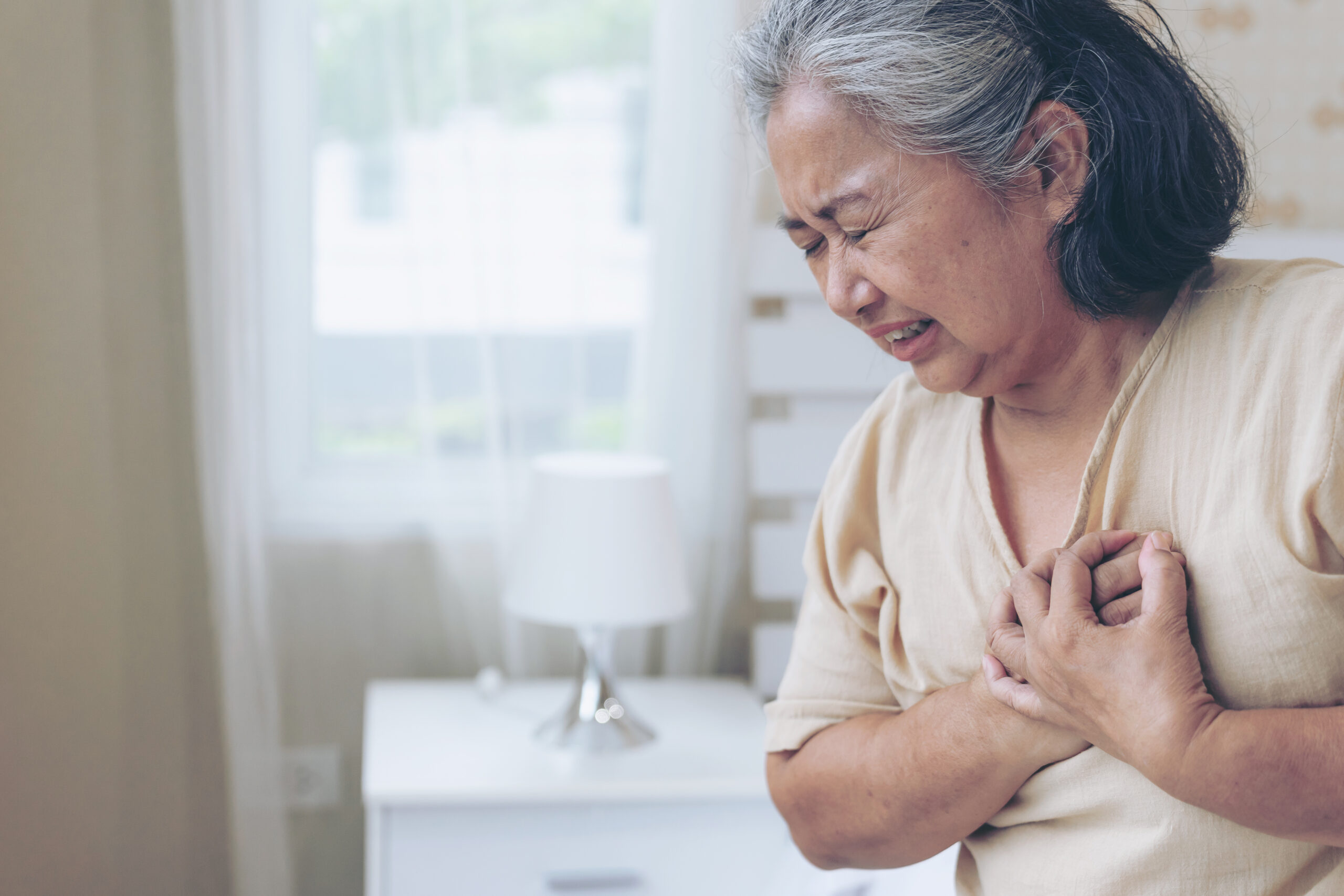
A heart attack happens when blood flow to the heart is blocked. This blockage can damage the heart muscle. Often, a heart attack is caused by a buildup of fat or cholesterol in the arteries. Because the heart needs oxygen-rich blood, any blockage can be dangerous. Knowing the warning signs of a heart attack can save lives. Early symptoms of a heart attack may be mild or severe. Both men and women can have different heart attack signs. It is important to know when to seek emergency help.
Why Recognizing Warning Signs Matters
Recognizing the warning signs of a heart attack early can make a big difference. For example, quick action can limit heart damage. In many cases, people wait too long before getting help. However, getting medical care right away can save your life. According to the CDC, fast treatment improves survival rates. Therefore, it is important to pay attention to your body and act quickly.
Common Warning Signs of a Heart Attack
Heart attack symptoms can vary. Some people have strong pain, while others feel only mild discomfort. Still, knowing the common signs helps you act fast. Here are the most frequent warning signs:
Sometimes, symptoms come and go. But even if they stop, you should not ignore them. If you notice any of these signs, seek help right away.
Differences in Symptoms: Men vs. Women
Men and women may have different heart attack signs. For instance, men often feel strong chest pain. Women, on the other hand, may have less obvious symptoms. These can include:
Because women may not have classic chest pain, their symptoms are sometimes missed. Therefore, it is important for everyone to know these differences. Older adults may also have milder symptoms, such as feeling weak or confused.
What to Do if You Notice Warning Signs
If you or someone else has warning signs of a heart attack, act fast. Every minute counts. Here is what you should do:
Even if you are unsure, it is better to be safe and get checked by a doctor.
Prevention Tips
While you cannot control every risk, you can lower your chances of a heart attack. Here are some simple tips:
Making small changes can protect your heart in the long run.
When to Seek Immediate Medical Help
If you notice any warning signs of a heart attack, do not wait. Even mild symptoms can be serious. For example, chest pain that lasts more than a few minutes needs urgent care. If you feel faint, weak, or have trouble breathing, call for help right away. Quick action can save your life or the life of someone you love.
If you notice any warning signs of a heart attack, consult a healthcare professional immediately for personalized advice. Chest pain, breathlessness, sweating, or sudden discomfort could be life-threatening, know the warning signs of a heart attack and seek immediate expert care at Naren Hospital today.