
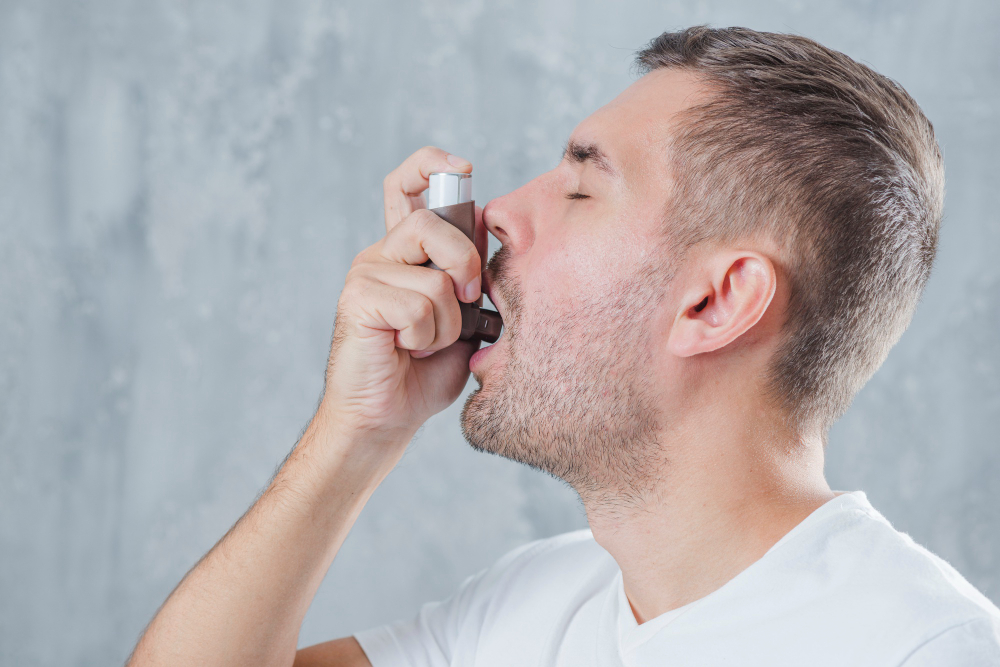
What is Asthma?
Asthma is a long-term lung condition that makes it hard to breathe. It causes the airways in your lungs to become narrow and swollen. Because of this, you may feel short of breath or start to cough. Asthma can affect people of all ages, but it often begins in childhood. According to the World Health Organization (WHO), millions of people worldwide live with asthma. Although there is no cure, many people manage their symptoms well. With the right care, you can lead a healthy life.
Common Symptoms of Asthma
Asthma symptoms can vary from person to person. Sometimes, symptoms are mild. Other times, they can be severe. However, knowing the signs helps you get help quickly. Common asthma symptoms include:
Sometimes, symptoms get worse quickly. This is called an asthma attack. If you notice these signs, seek help right away.
Causes and Risk Factors
Many things can trigger asthma. While the exact cause is not always clear, experts believe both genes and the environment play a role. For example, if someone in your family has asthma, you may be more likely to get it. Other risk factors include:
In addition, cold air, exercise, or stress can trigger symptoms. Knowing your triggers helps you avoid them and prevent asthma attacks.
How Asthma is Diagnosed
If you think you have asthma, your doctor will ask about your symptoms and medical history. Next, they may do a physical exam. To confirm the diagnosis, doctors often use breathing tests. These tests measure how much air you can breathe in and out. For example, a spirometry test checks how well your lungs work. Sometimes, your doctor may ask you to use a peak flow meter at home. This tool helps track your breathing over time. Because asthma symptoms can be similar to other conditions, proper testing is important.
Treatment Options for Asthma
Although asthma cannot be cured, many treatment options help control symptoms. Your doctor will create a plan based on your needs. Common asthma treatment options include:
With the right treatment, most people can manage asthma and avoid severe attacks. Always follow your doctor’s advice and take your medicine as prescribed.
Lifestyle Tips and Prevention
Living with asthma means making some changes to your daily routine. However, these steps can help you feel better and prevent asthma attacks. Try the following tips:
In addition, teach your family and friends about your asthma plan. This way, they can help if you have an attack. Preventing asthma attacks is possible with good habits and regular care.
When to See a Doctor
Sometimes, asthma symptoms can get worse quickly. If you notice any of the following, seek medical help right away:
Even if your symptoms are mild, regular check-ups are important. Your doctor can help you adjust your treatment and keep your asthma under control.
In summary, asthma is a common but manageable condition. With the right care, you can live a full and active life. Consult a healthcare professional at Naren Hospital for personalized asthma management.