What is Dyslipidemia?
Dyslipidemia means there are unhealthy levels of fats in your blood. These fats include cholesterol and triglycerides. When these levels are too high or too low, it can harm your heart health. In the United States, dyslipidemia is common and affects many adults. Because it often has no symptoms, many people do not know they have it. However, early detection is important for cholesterol management and preventing heart disease.
Common Causes of Dyslipidemia
Several factors can lead to dyslipidemia. Some causes are within your control, while others are not. For example, genetics may play a role, but lifestyle choices matter too. Here are some common causes:
Because many causes are linked to daily habits, making small changes can help lower your risk.
Symptoms and Warning Signs
Often, dyslipidemia does not cause any symptoms. Most people find out through a blood test. However, in rare cases, you may notice warning signs. For example, some people develop yellow bumps on their skin, called xanthomas. These are fatty deposits. In severe cases, you might feel chest pain or have trouble breathing. These signs can mean your heart is at risk. Therefore, regular check-ups are important, even if you feel fine.
How is Dyslipidemia Diagnosed?
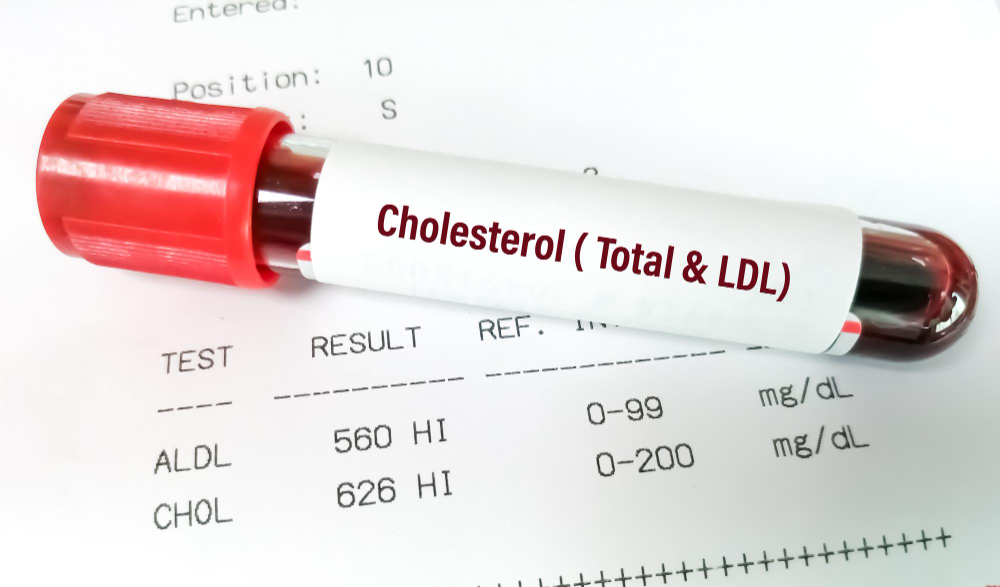
Doctors diagnose dyslipidemia with a simple blood test called a lipid panel. This test measures:
Usually, you need to fast for 9 to 12 hours before the test. Your doctor will explain your results and what they mean for your heart health. If your levels are not in the healthy range, you may need more tests or treatment.
Treatment Options for Dyslipidemia
Treating dyslipidemia often starts with lifestyle changes. However, some people may also need medicine. Your doctor will suggest the best plan for you. Common treatment options include:
Because each person is different, your treatment may not be the same as someone else’s. Always follow your doctor’s advice for dyslipidemia treatment.
Lifestyle Tips for Managing Dyslipidemia
There are many simple steps you can take to manage dyslipidemia. For example, you can:
Because small changes add up, try to make one healthy choice each day. Over time, these habits can improve your cholesterol and heart health.
Prevention Strategies
Preventing dyslipidemia is possible for many people. While you cannot change your genes, you can control other risk factors. To lower your risk:
Because prevention is easier than treatment, start healthy habits early. Encourage your family to join you for better heart health.
When to See a Doctor
It is important to see a doctor if you have risk factors for dyslipidemia. For example, if you have a family history of high cholesterol or heart disease, schedule a check-up. Also, see your doctor if you notice any warning signs, such as chest pain or shortness of breath. Even if you feel healthy, regular blood tests can catch problems early. Early treatment can help prevent serious heart issues.
For personalized advice on dyslipidemia management, consult a cardiologist at Naren Hospital. Your doctor can help you create a plan that fits your needs and keeps your heart healthy.