Tuberculosis is a serious infection that affects millions of people worldwide. Many wonder about tuberculosis symptoms, how is tuberculosis diagnosed, and what tuberculosis treatment involves. In this blog, you will learn about the causes, signs, diagnosis, and ways to prevent this disease. Understanding tuberculosis can help you protect yourself and your loved ones.
What is Tuberculosis?
Tuberculosis, often called TB, is a disease caused by bacteria. These bacteria usually attack the lungs, but they can also affect other parts of the body. For example, TB can spread to the kidneys, spine, or brain. However, most people think of TB as a lung disease. According to the World Health Organization (WHO), TB is one of the top infectious killers in the world. Early detection and proper treatment are important for recovery.
Symptoms of Tuberculosis
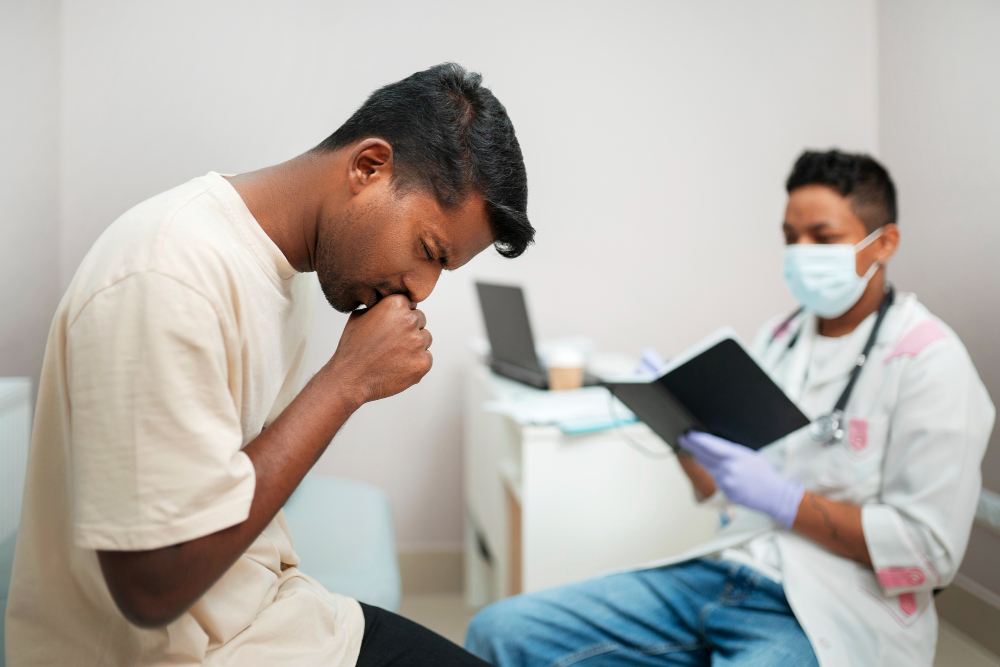
Not everyone with TB feels sick right away. Some people have what is called latent TB, which means the bacteria are in the body but not active. However, when TB becomes active, it can cause several symptoms. If you notice these signs, you should see a doctor.
Sometimes, TB symptoms depend on which part of the body is affected. For instance, TB in the spine may cause back pain.
Causes and Risk Factors
TB spreads through the air when a person with active TB coughs, sneezes, or speaks. You can get infected if you breathe in these germs. However, not everyone who gets the bacteria will get sick. Some people have a higher risk of developing active TB.
For these reasons, it is important to know your risk and take steps to protect your health.
How Tuberculosis is Diagnosed
Doctors use several tests to find out if someone has TB. Early diagnosis helps prevent the spread of the disease. If you have symptoms or are at risk, your doctor may suggest these tests:
Sometimes, more tests are needed if TB is found outside the lungs. For example, scans or biopsies may help find TB in other organs.
Treatment Options for Tuberculosis
TB can be cured with the right medicine. Treatment usually lasts at least six months. It is important to take all the medicine as prescribed, even if you feel better. Stopping early can make the bacteria stronger and harder to treat.
If you have side effects, tell your doctor right away. With proper care, most people recover fully from TB.
Prevention and Lifestyle Tips
Preventing TB is possible with some simple steps. While vaccines like BCG can help protect young children, adults should also follow healthy habits. Here are some tips to lower your risk:
In addition, regular check-ups can help catch TB early, especially if you are at higher risk.
Conclusion
In summary, tuberculosis is a serious but treatable disease. Knowing the symptoms, causes, and treatment options can help you stay safe. If you have concerns or symptoms, consult a healthcare professional at Naren Hospital for personalized advice on tuberculosis.