
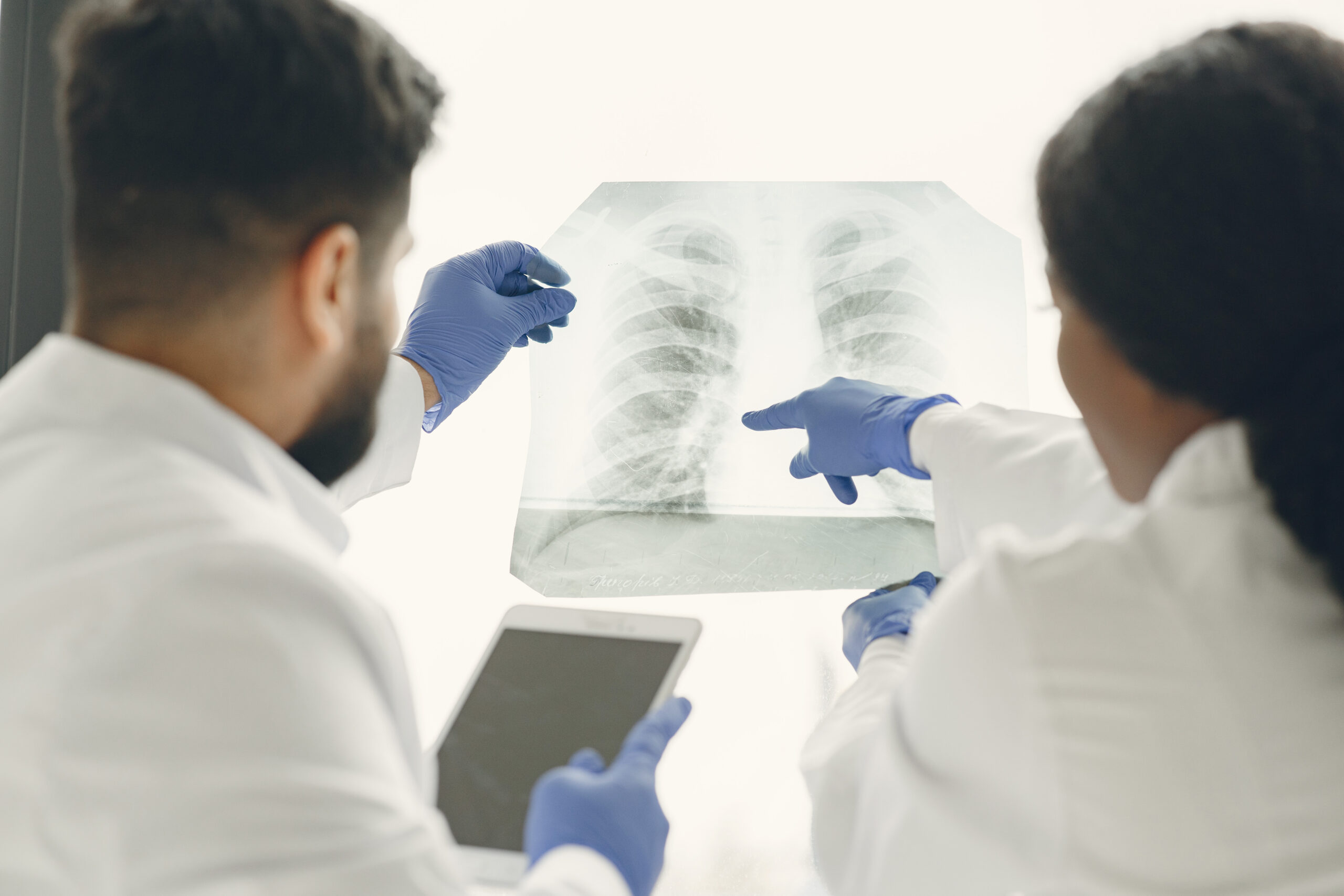
Pleural effusion is a health condition where extra fluid builds up around the lungs. This fluid collects in the space between the lungs and the chest wall, called the pleura. Because pleural effusion can make it hard to breathe, it is important to know its symptoms, causes, diagnosis, and treatment. Early care can help prevent serious problems. In this blog, you will learn what pleural effusion is and how to manage it.
What is Pleural Effusion?
Pleural effusion happens when fluid gathers in the pleural space. The pleura is a thin layer that covers the lungs and lines the chest. Normally, only a small amount of fluid is present to help the lungs move smoothly. However, when too much fluid builds up, it can press on the lungs and cause trouble breathing. This condition can affect people of any age, but it is more common in adults with certain health issues.
Symptoms of Pleural Effusion
Often, symptoms depend on how much fluid is present. Sometimes, people may not notice any signs at first. However, as the fluid increases, symptoms can appear. Common symptoms include:
Causes of Pleural Effusion
Many health problems can lead to pleural effusion. Some main causes include:
In addition, risk factors like smoking, chronic lung disease, and a weak immune system can increase the chance of developing pleural effusion.
Diagnosis of Pleural Effusion
Doctors use several methods to diagnose pleural effusion. First, they will ask about your symptoms and medical history. Next, they may listen to your chest with a stethoscope. If pleural effusion is suspected, these tests may be used:
These tests help doctors find the cause and plan the best treatment.
Treatment Options for Pleural Effusion
Treatment depends on the cause and how much fluid is present. For mild cases, doctors may only monitor the condition. However, if symptoms are severe, treatment may include:
Doctors will choose the safest and most effective treatment for each person.
Prevention and Lifestyle Tips
While not all cases can be prevented, you can lower your risk with healthy habits. For example, you can:
By following these tips, you may reduce your risk of pleural effusion or catch it early.
When to See a Doctor
It is important to seek medical help if you notice warning signs. For instance, see a doctor if you have:
Early treatment can prevent serious problems and improve recovery.
Frequently Asked Questions about Pleural Effusion
What causes pleural effusion to develop?
Pleural effusion often develops due to infections, heart failure, cancer, or other health issues. Sometimes, more than one cause may be involved.
Is pleural effusion life-threatening?
While mild cases may not be dangerous, severe pleural effusion can be life-threatening if not treated. Therefore, timely care is important.
Can pleural effusion go away on its own?
In some cases, small pleural effusions may resolve without treatment. However, most cases need medical attention to find and treat the cause.
How is pleural effusion treated?
Treatment may include draining the fluid, treating the cause, or both. Your doctor will decide the best plan for you.
Can pleural effusion come back?
Yes, pleural effusion can return if the underlying problem is not fixed. Regular follow-up with your doctor can help prevent this.
Conclusion & Call-to-Action
Pleural effusion is a serious condition that needs prompt care. Knowing the symptoms, causes, and treatments can help you take action early. If you or someone you know has trouble breathing or chest pain, consult a healthcare specialist. Early diagnosis and treatment can make a big difference in recovery and health.
Don’t ignore breathlessness or chest discomfort—early diagnosis and expert care for pleural effusion can protect your lung health. Consult the specialists at Naren Hospital today.